
Aluminium Industrial Works
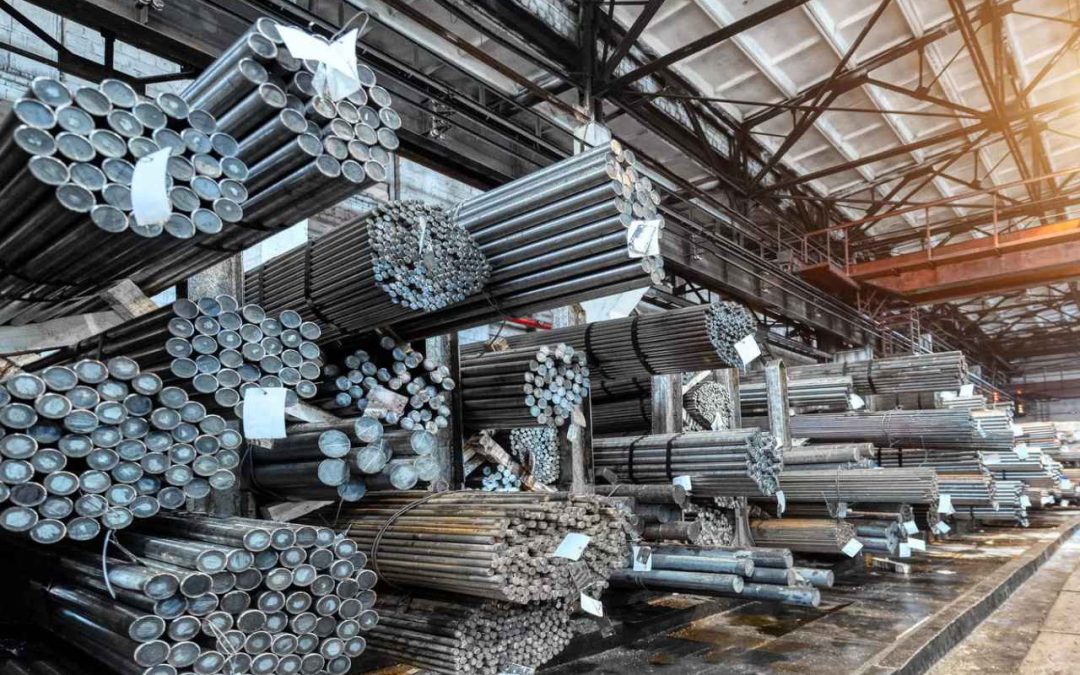
Aluminium industrial works describe the processes involved in producing and fabricating aluminium products, from raw material extraction to finished goods. This includes mining bauxite, refining it into alumina, and then smelting alumina into aluminium metal. The metal is then shaped through various manufacturing processes like extrusion, rolling, and forging.
Detailed Description:
1. Raw Material:
The process begins with obtaining bauxite, the primary ore for aluminium.
2. Refining (Bayer Process):
Bauxite is processed to extract alumina (aluminium oxide) using the Bayer process.
3. Smelting (Hall-Héroult Process):
Alumina is then smelted into aluminium metal using the Hall-Héroult process https://jmaluminium.com/basics-aluminium-manufacturing/. This involves electrolysis, where alumina is mixed with molten cryolite, and an electric current is used to extract the aluminium.
-
Manufacturing:
The resulting aluminium is typically in the form of ingots (raw blocks). These ingots are then further processed through various manufacturing methods like:- Extrusion: Shaping aluminium into specific profiles.
- Rolling: Reducing the thickness of aluminium sheets.
- Forging: Shaping aluminium under pressure using specialized tools.
-
Fabrication:
Fabrication involves cutting, bending, joining, and assembling aluminium components to create finished products.
-
Finishing:
Surface treatments like anodizing can be applied to enhance the appearance and durability of aluminium products.
-
Applications:
-
Aluminium products are used in a wide range of industries, including aerospace, automotive, construction, packaging, and electrical.