
Coving & Risers
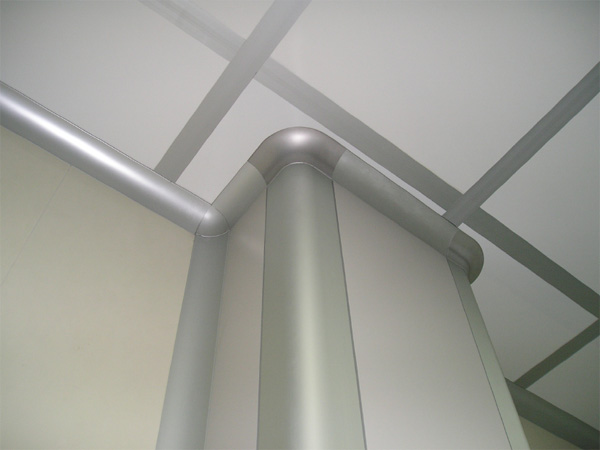
Coving refers to a curved or molded section often found at the intersection of a wall and a ceiling, serving both decorative and practical purposes. It's a common feature in architecture and design, offering a smooth transition and a way to cover up imperfections or gaps. Risers, on the other hand, are vertical or upright elements, often used in staircases, but can also be part of other architectural or design elements.
Coving:
-
Definition:
A concave molding or arched section of a wall surface, typically at the juncture of a wall and ceiling.
-
Purpose:
To create a smooth, continuous surface, cover the joint between the wall and ceiling, and conceal imperfections.
-
Function:
Adds a decorative touch, enhances the aesthetics of a room, and can complement both classic and contemporary styles.
-
Materials:
Can be made from various materials like plaster, polymer, polyurethane, or wood, offering diverse design options.
-
Styles:
Ranges from simple, contemporary designs to more elaborate and traditional styles.
-
Applications:
Commonly used in bathrooms, kitchens, and other rooms to cover the junction between walls and ceilings, according to Toolstation.
Risers:
-
Definition:
A vertical or upright element, often associated with staircases, serving to fill the space between the treads.
-
Purpose:
To provide support for the staircase and create a smooth, continuous rise for each step.
-
Function:
A functional element of a staircase, contributing to safety and ease of movement.
-
Materials:
Typically made from wood, metal, or other materials suitable for staircases.
-
Styles:
Can be simple and functional or more decorative, depending on the design of the staircase.
-
Applications:
Primarily used in staircases, but can also be part of other architectural elements or design features, according to architectural drawings.