
Aluminium Architect Works
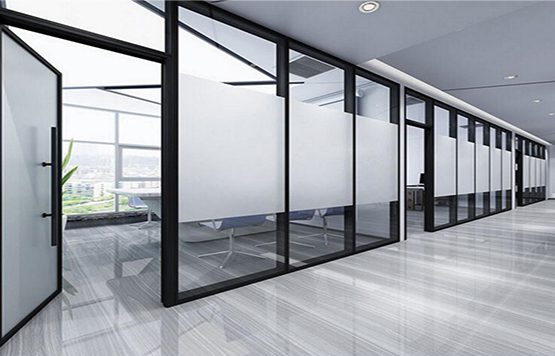
Aluminium is a versatile and popular material used by architects for various building applications, including facades, windows, doors, roofing, and more. Its advantages include lightweight, durability, corrosion resistance, and recyclability, making it a sustainable and cost-effective choice. Aluminium also offers design flexibility, allowing for intricate shapes and finishes.
Here's a more detailed look at aluminium's role in architectural works:
1. Versatile Applications:
-
Façades:
Aluminium is used to create lightweight, transparent, and energy-efficient facades, often in combination with glass.
-
Windows and Doors:
Aluminium frames are durable, weather-resistant, and offer excellent thermal insulation, making them ideal for windows and doors.
-
Roofing:
Aluminium roofing panels are lightweight, durable, and can be customized with various colors and finishes.
-
Interior Applications:
Aluminium is used for skirting boards, shelves, railings, and other decorative elements, offering a modern and stylish look.
2. Advantages of Aluminium:
-
Lightweight:
Aluminium is much lighter than steel, making it easier to handle and transport during construction.
-
Durable and Corrosion-Resistant:
Aluminium is naturally resistant to corrosion and rust, ensuring long-lasting performance.
-
Recyclable:
Aluminium can be recycled indefinitely without loss of quality, making it a sustainable material.
-
Design Flexibility:
Aluminium is highly malleable and can be shaped into intricate designs and finishes.
-
Cost-Effective:
Aluminium can be a cost-effective alternative to other materials, especially when considering its long-term durability and recyclability.
-
Sustainability:
Aluminium's recyclability and durability contribute to green building practices and reduce waste.
3. Examples of Architectural Projects using Aluminium:
-
Balancing Barn:
Features reflective metal sheeting and a traditional barn shape.
-
Grace Farms:
Utilizes a dual curvature panel system made of standard-sized sheets of exterior anodized aluminum.
-
Skyscrapers:
Modern skyscrapers often incorporate glass and aluminum frames for their lightweight, strong, and sustainable properties.
-
Custom Glazing Systems:
Aluminium is used in custom glazing systems for curtain walls, storefronts, and other exterior enclosures.
In conclusion, aluminium's versatility, durability, and sustainability make it a valuable material for architects seeking to create modern, functional, and aesthetically pleasing buildings.