
Aluminium Composite Panel
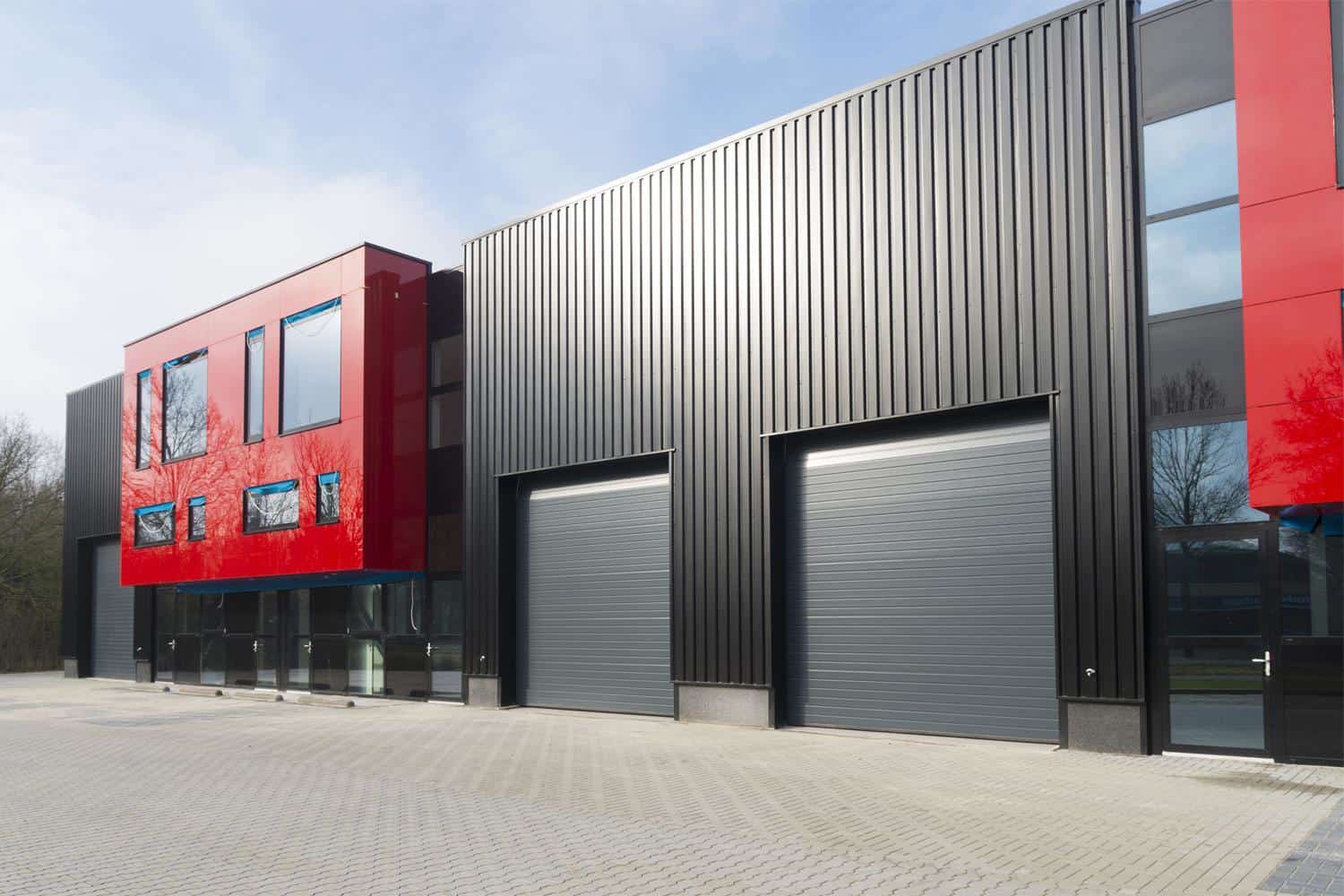
An Aluminum Composite Panel (ACP) is a material that consists of two thin aluminum sheets bonded to a non-aluminum core, typically a polymer or mineral-filled material. These panels are also known as sandwich panels or ACM (Aluminum Composite Material). ACPs are widely used in cladding, signage, and interior applications due to their lightweight, durable, and customizable properties.
Here's a more detailed breakdown:
Structure:
- Two Aluminum Sheets: The outer layers are typically made of a thin, coil-coated aluminum sheet.
- Non-Aluminum Core: The core material, often polyethylene (PE) or fire-retardant mineral-filled materials, provides insulation and strength.
- Bonding: The aluminum sheets and core are bonded together, often using a heat and pressure process.
Key Features:
-
Lightweight:
ACPs offer a lightweight alternative to solid aluminum sheets, making them easier to handle and install.
-
Durable:
They are designed to withstand various weather conditions, including moisture, sun, and rain.
-
Customizable:
ACPs come in a wide range of colors, finishes, and can be easily cut and shaped.
-
Versatile:
They can be used in both exterior and interior applications, including wall cladding, signage, and interior partitions.
-
Cost-Effective:
ACPs offer a balance of aesthetics and performance at a reasonable cost.