
Structural Glazing
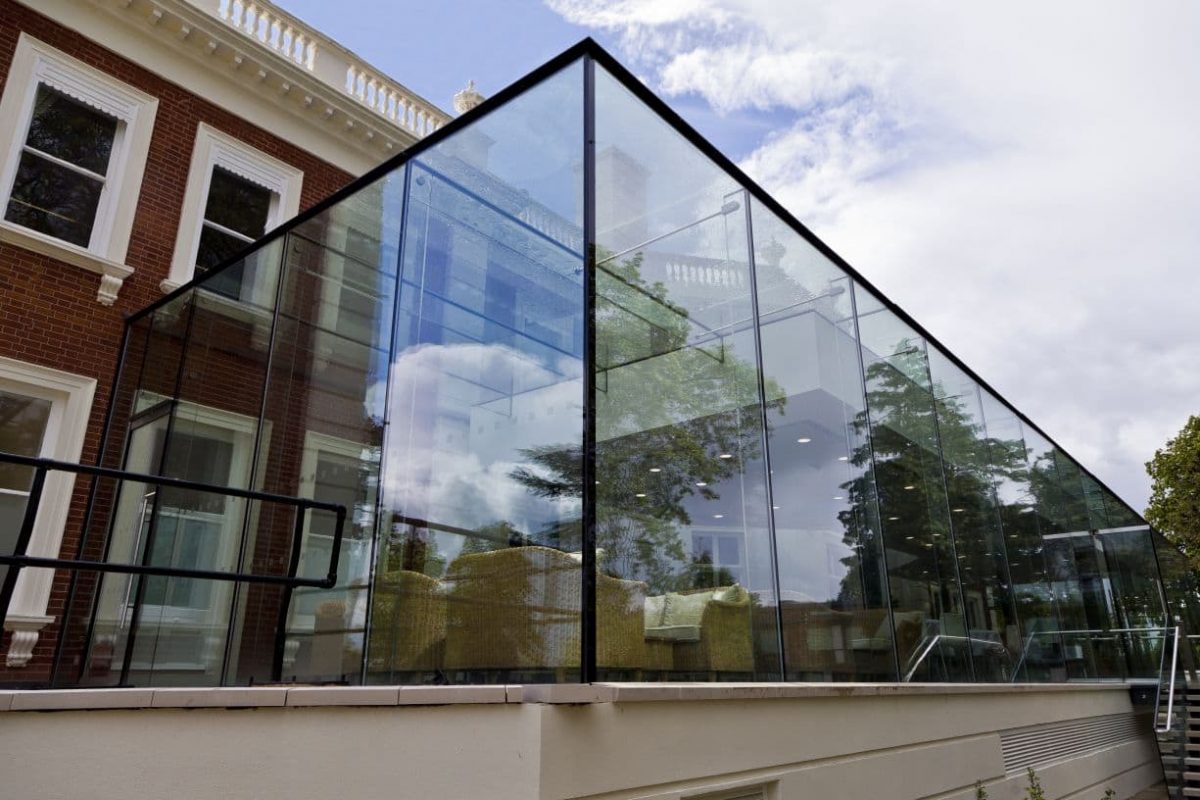
Structural glazing is an architectural technique where glass panels are used as load-bearing elements within a building's structure, often forming the entire facade. Unlike traditional curtain walls that are supported by a separate frame, structural glazing relies on the glass itself to bear the load, creating a seamless, frameless appearance.
Key Features of Structural Glazing:
-
Frameless Design:
The glass is directly bonded to the building's structure, eliminating visible frames.
-
Seamless Integration:
Structural glazing seamlessly integrates the glass into the building's overall design.
-
Modern Aesthetic:
The frameless design creates a sleek, minimalist, and contemporary look.
-
Versatile Applications:
Structural glazing can be used for facades, floors, skylights, and other architectural elements.
-
Load-Bearing Glass:
The glass panels are engineered to support weight and transfer it to the building's frame.
How it Works:
-
Structural Glazing Sealants:
Special sealants, like those from Dow or Sika, are used to bond the glass to the building's structure.
-
Load Transfer:
The sealants and the glass itself are engineered to transfer loads from the glass to the building's supporting framework.
-
Tolerances and Design:
Careful consideration is given to factors like expansion, contraction, and other environmental conditions to ensure the structural integrity of the glazing.
Benefits of Structural Glazing:
-
Aesthetic Appeal:
The sleek, frameless design creates a modern and visually appealing look.
-
Natural Light:
Structural glazing maximizes natural light, reducing reliance on artificial lighting.
-
Thermal Performance:
Modern glazing systems can provide excellent insulation, reducing energy consumption.
-
Design Flexibility:
Structural glazing allows for a wide range of architectural designs, from large, uninterrupted glass surfaces to more complex forms.