
Kitchen Glass
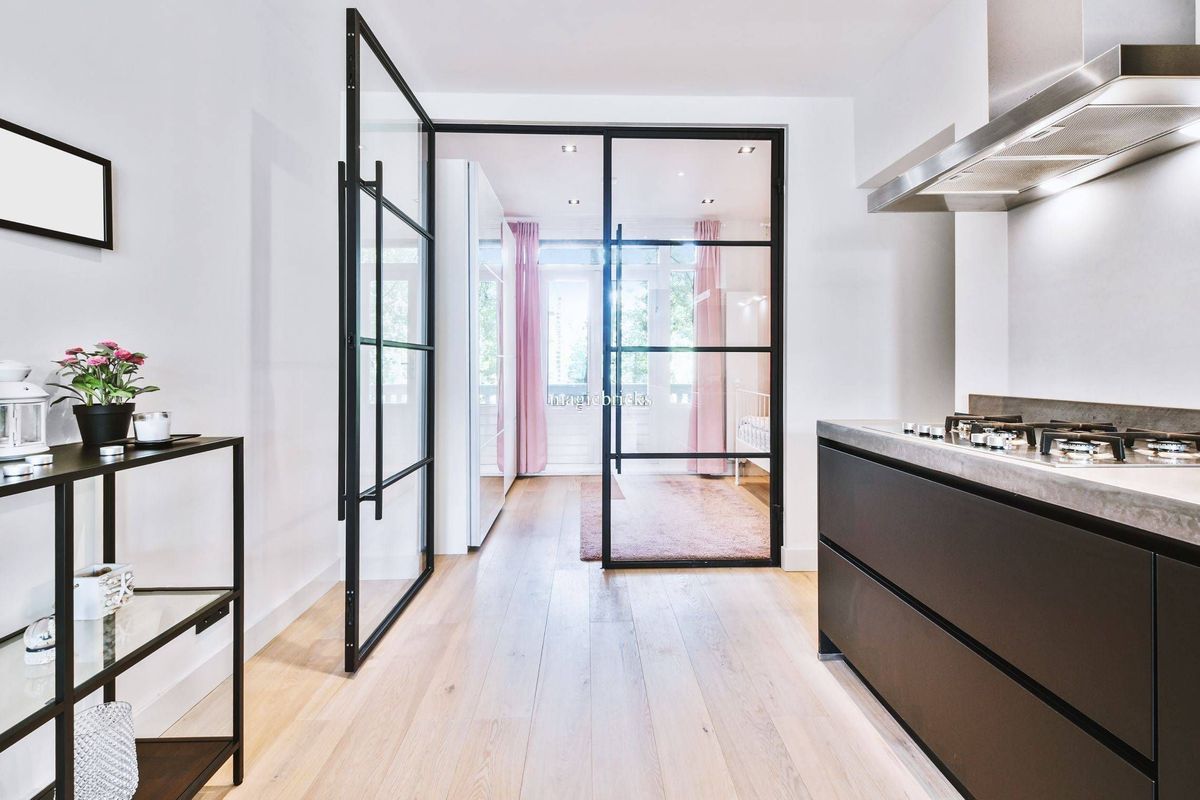
Kitchen glass encompasses various forms, from tempered glass in countertops and backsplashes to glass-fronted cabinets and decorative elements. It's used for its durability, easy maintenance, and aesthetic appeal, making it suitable for both functional and decorative applications. Glass in the kitchen can enhance brightness, create a sense of openness, and showcase items like crockery.
Here's a more detailed breakdown:
-
Glass Countertops and Backsplashes:
Glass countertops and backsplashes are durable, easy to clean, and heat-resistant, making them ideal for kitchen surfaces. They can be customized with various textures and colors.
-
Glass Kitchen Cabinets:
Glass-fronted cabinets can showcase your crockery or create a more visually expansive and bright space, particularly in smaller kitchens.
-
Decorative Glass Elements:
Glass can be used as patterns on kitchen walls, in cabinet doors, on dining tables, or service tables to add a touch of creativity and liveliness.
-
Types of Glass:
- Borosilicate Glass: This type is commonly used for cookware and bakeware due to its resistance to temperature changes and its non-porous nature.
- Tempered Glass: Tempered glass is strong and less likely to break, making it a safe option for countertops and backsplashes.
- Frosted or Textured Glass: These provide a stylish look while hiding smudges and fingerprints better than clear glass.
-
Benefits of Kitchen Glass:
- Durable and Easy to Clean: Glass is resistant to stains and scratches, and its smooth surface is easy to clean.
- Heat Resistance: Many types of glass, like tempered and borosilicate, are heat-resistant, making them suitable for kitchen applications.
- Aesthetic Appeal: Glass can enhance brightness, create a sense of openness, and add a touch of sophistication to a kitchen.
- Customization: Glass can be customized in various colors, patterns, and finishes to match the overall kitchen design.