
Lab Furniture
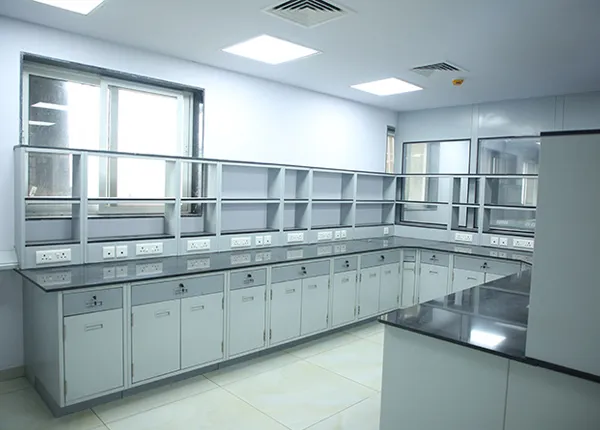
Lab furniture refers to specifically designed furniture for use in laboratory settings, often requiring durability, safety, and ergonomic features. This includes items like lab benches/tables, storage cabinets, fume hoods, and specialized workstations. The furniture must be resistant to chemicals, heat, and corrosion, and often includes features like adjustable heights, fire-resistant materials, and ventilation for safety.
Key Characteristics of Lab Furniture:
-
Durability and Strength:
Lab furniture needs to withstand regular use, potential impacts, and exposure to chemicals.
-
Safety:
Safety features are crucial, including fire resistance, ventilation for fume hoods, and secure storage for hazardous materials.
-
Ergonomics:
Ergonomic design ensures comfort and minimizes strain for lab personnel, with features like adjustable heights and supportive seating.
-
Chemical Resistance:
Surfaces and materials should be resistant to chemicals and corrosion to prevent damage and maintain safety.
-
Modularity:
Many lab furniture pieces are designed for modularity, allowing for flexibility in layout and easy reconfiguration of the lab space.
-
Storage Solutions:
Lab furniture often incorporates storage solutions for chemicals, equipment, and supplies, with options like adjustable shelves, racks, and lockable cabinets.
Types of Lab Furniture:
- Lab Benches/Tables: The primary work surface for conducting experiments.
- Storage Cabinets: Used for storing chemicals, samples, and equipment.
- Fume Hoods: Provide ventilation for controlling hazardous fumes.
- Lab Workstations: Combined units with workspace and storage.
- Mobile Lab Furniture: Designed for flexibility and easy movement.
- Anti-Vibration Tables: Stable platforms for sensitive equipment.